Kedarnath is one of the most sacred shrines dedicated to Lord Shiva and holds a special place in the hearts of devotees. Located at an altitude of 3,583 meters near the Mandakini River, Kedarnath Temple is surrounded by snow-covered mountains that create a breathtaking spiritual setting.
It is believed that the temple was originally built by the Pandavas and later revived by Adi Shankaracharya. The stone temple stands strong against harsh weather conditions and symbolizes devotion and faith.
The 16 km trek from Gaurikund to Kedarnath is both challenging and rewarding. Pilgrims chant “Har Har Mahadev” as they climb the scenic route filled with natural beauty and devotion.
The towering peaks around Kedarnath echo with silence, devotion, and timeless strength. The sacred land where Lord Shiva resides inspires courage, surrender, and inner awakening. Amidst the cold winds and snow-covered mountains, one finds warmth in faith and peace in prayer. The journey may be challenging, but every step taken toward Kedarnath becomes a step closer to self-realization and spiritual strength.
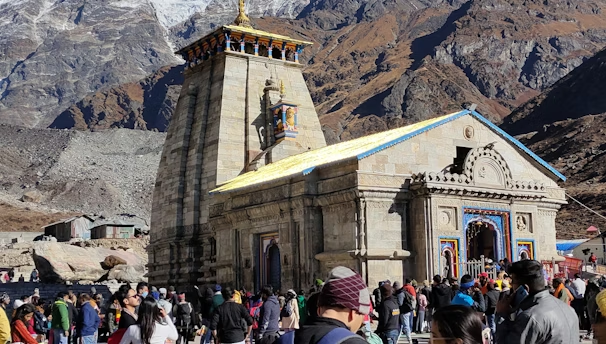
Kedarnath is one of the twelve Jyotirlingas of Lord Shiva, making it one of the most sacred Shiva temples in India. According to Hindu mythology, after the Mahabharata war, the Pandavas sought Lord Shiva to seek forgiveness for their sins. Lord Shiva avoided them and took the form of a bull. When Bhima tried to catch him, the bull disappeared into the ground, and the hump appeared at Kedarnath. This sacred hump is worshipped in the temple today.
The temple is believed to have been originally built by the Pandavas and later revived by Adi Shankaracharya in the 8th century. Even after facing natural disasters, including the devastating 2013 floods, the temple stood strong, symbolizing divine protection and unwavering faith.